
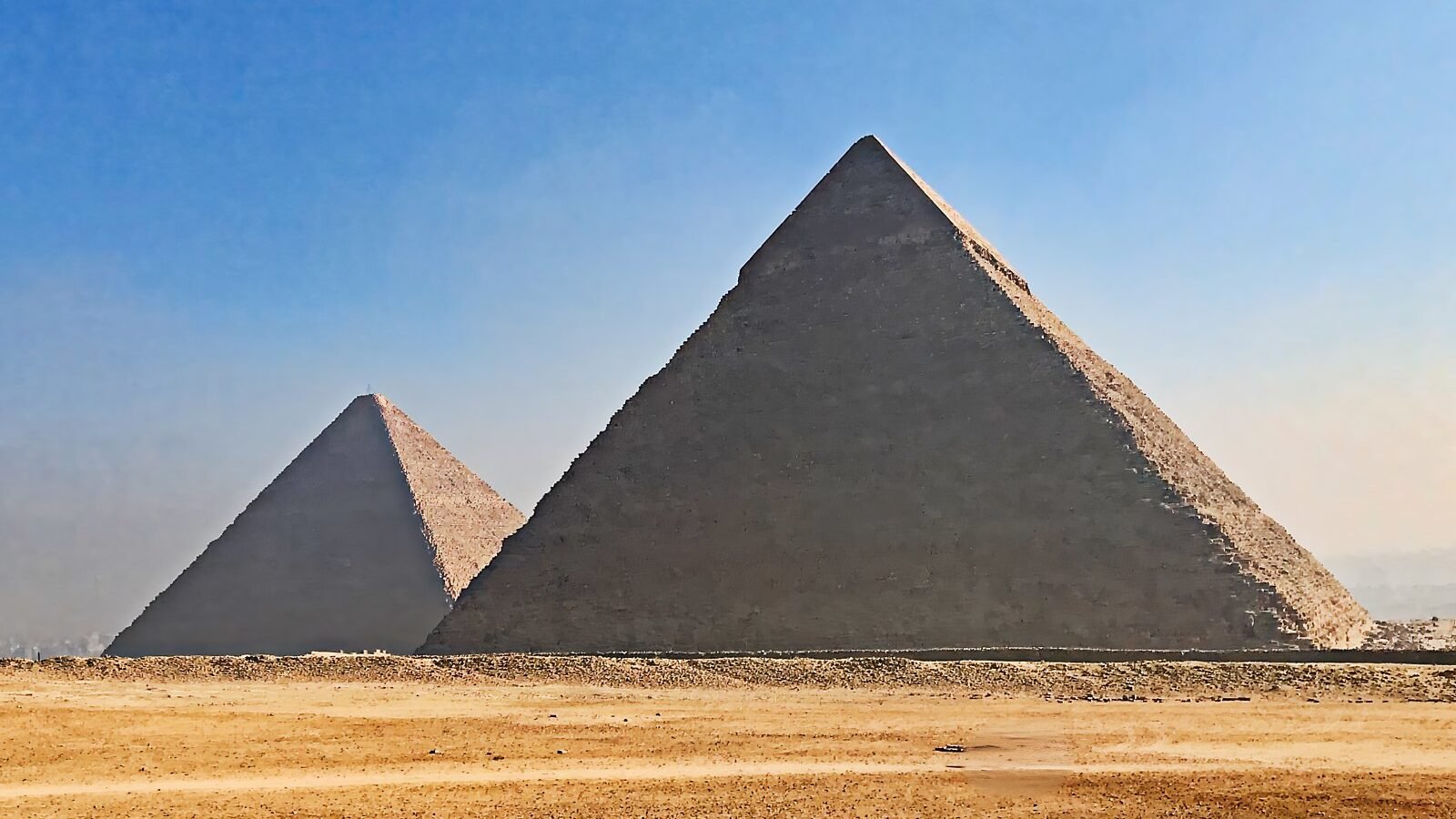
Standing before the pyramids of Egypt is like stepping into a time machine. Up close, their immense scale is humbling. Imagining the engineering complexity and the management of thousands of workers over more than 20 years to build a single pyramid left me in awe.
Standing on the Giza Plateau
Khufu’s Great Pyramid
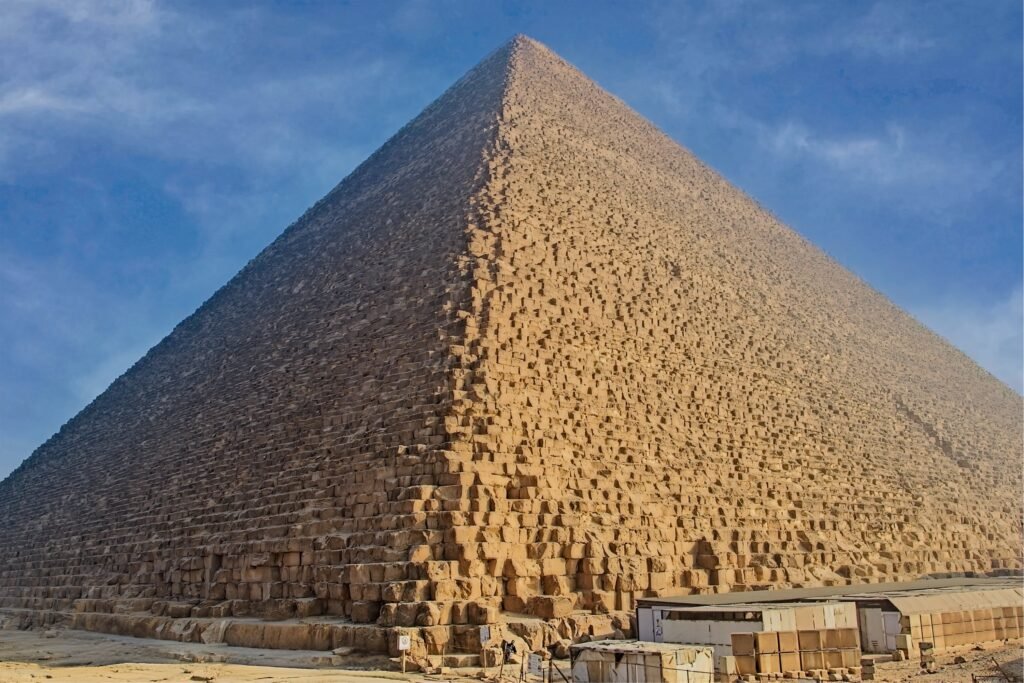
Built between 2580 and 2560 BCE, Khufu’s Great Pyramid was aligned with incredible mathematical precision, with its sides still pointing almost perfectly to the four cardinal directions. More than 2.3 million stone blocks, some weighing up to 80 tons, were used to create this single monument.
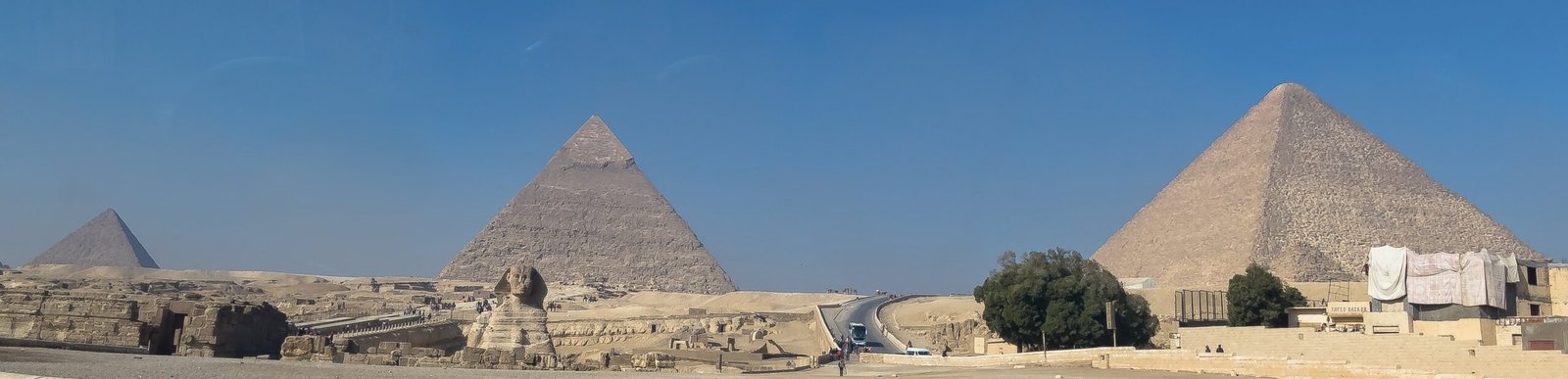
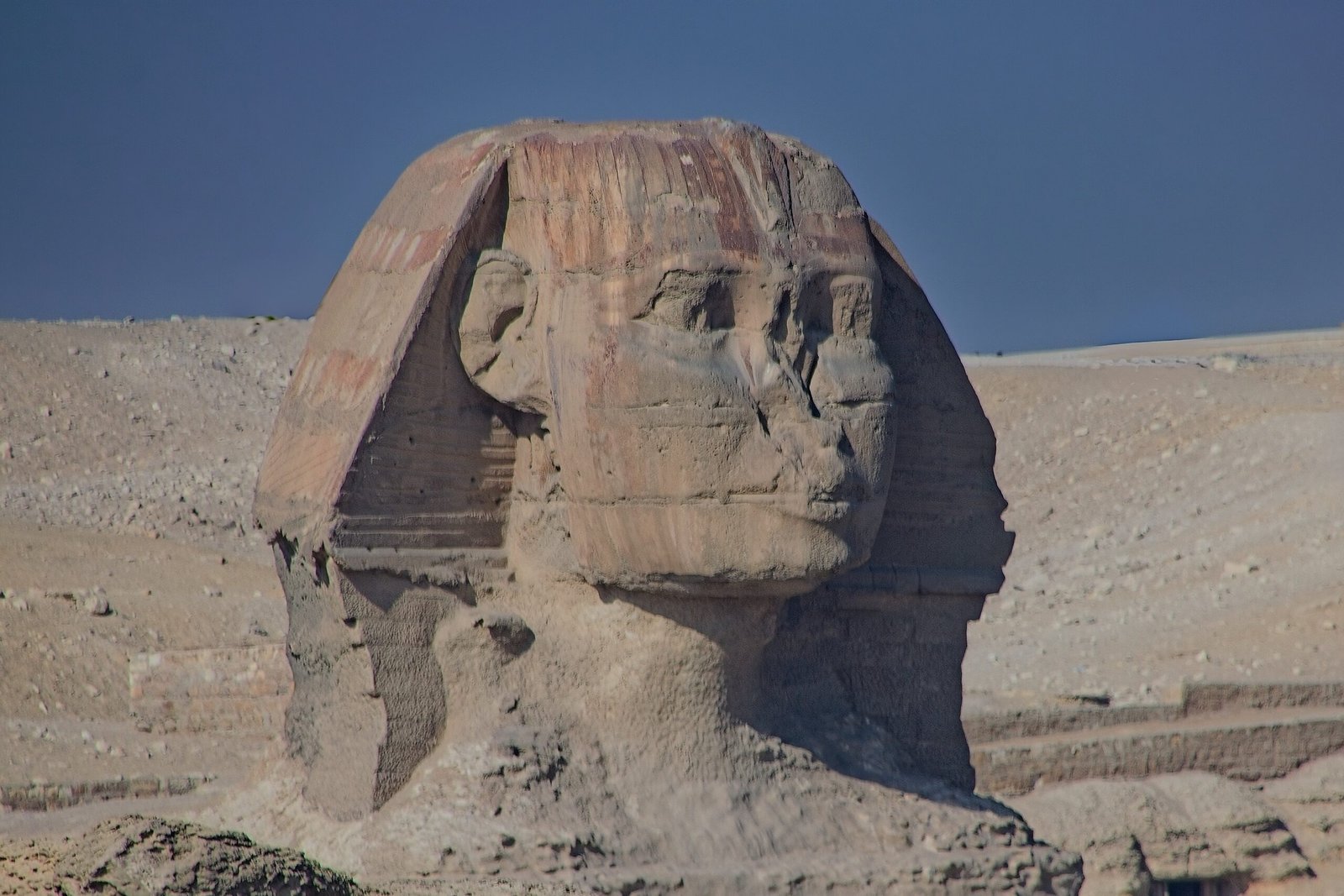
Sphinx
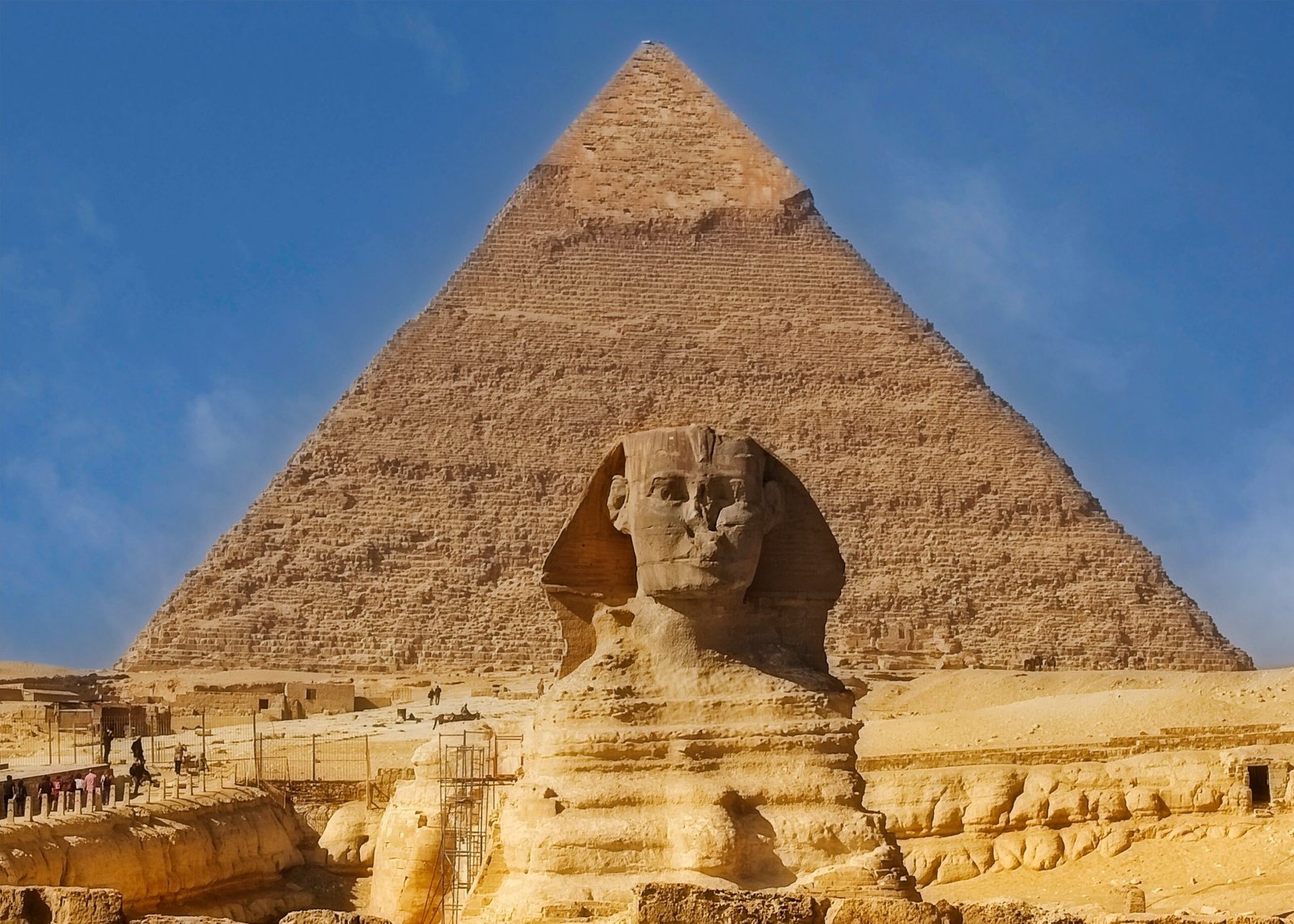
Carved directly from the limestone bedrock, the Great Sphinx is the largest monolithic statue in the world. Facing east toward the rising sun, it appears to guard the three pyramids of Giza and is generally dated to the reign of Pharaoh Khafre (around 2558–2532 BCE).
Saqqara & Dahshur: The Early Experiments
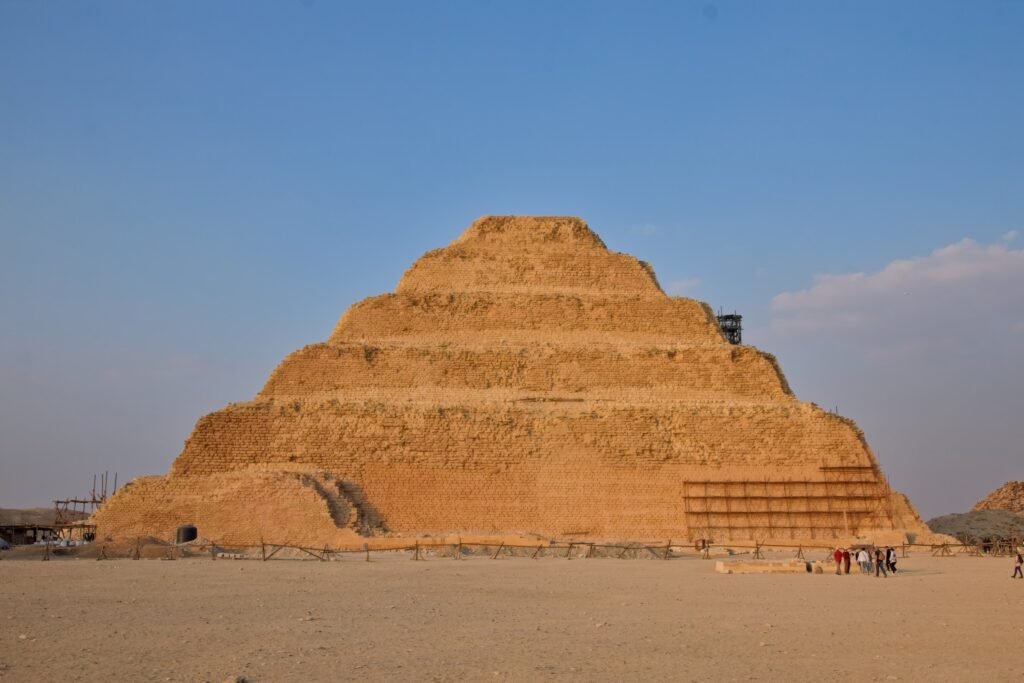
Saqqara Step Pyramid: Considered the world’s first large-scale cut‑stone monument, this step pyramid was built for Pharaoh Djoser around 2670 BCE (3rd Dynasty) in the necropolis of Saqqara.
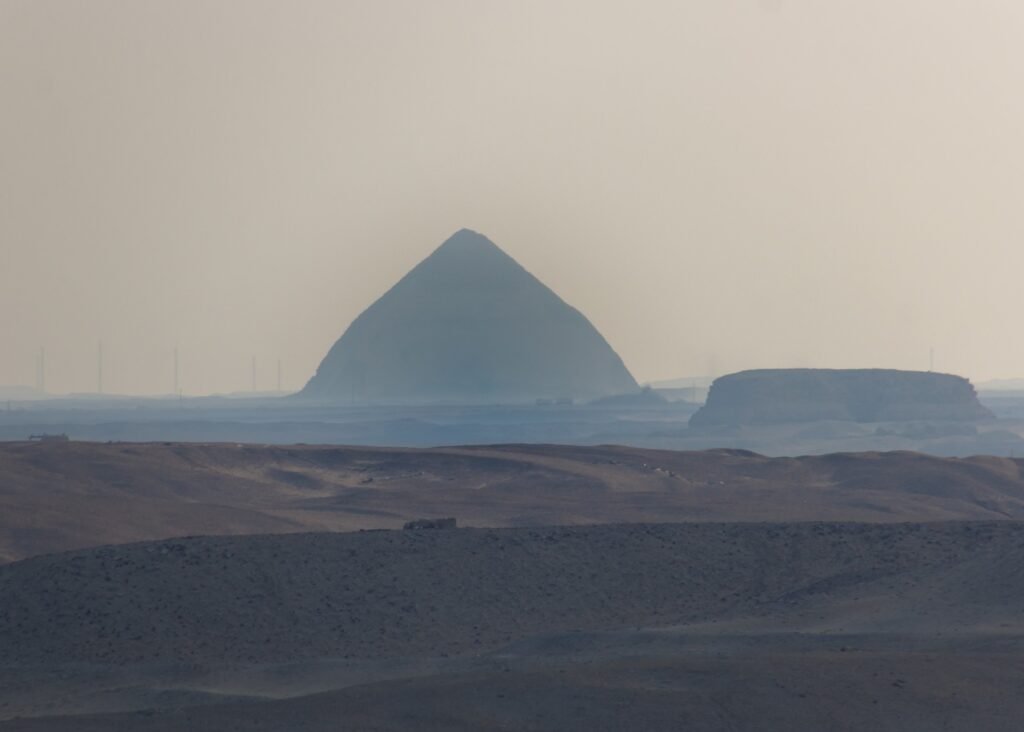
Bent Pyramid: Built around 2580–2560 BCE, this pyramid marks a crucial experimental step toward smooth‑sided pyramids. Its angle changes halfway up from about 54 degrees to 43 degrees, likely due to structural instability concerns during construction.

Walking away from the pyramids and the Sphinx, I couldn’t shake one thought: we like to believe we are more advanced than the people of the past, but these monuments tell a different story. They are proof that extraordinary engineering and imagination have long been part of humanity.
If this post helped you plan your trip, we’d love to hear from you in the comments or on Instagram.
Leave a Reply