
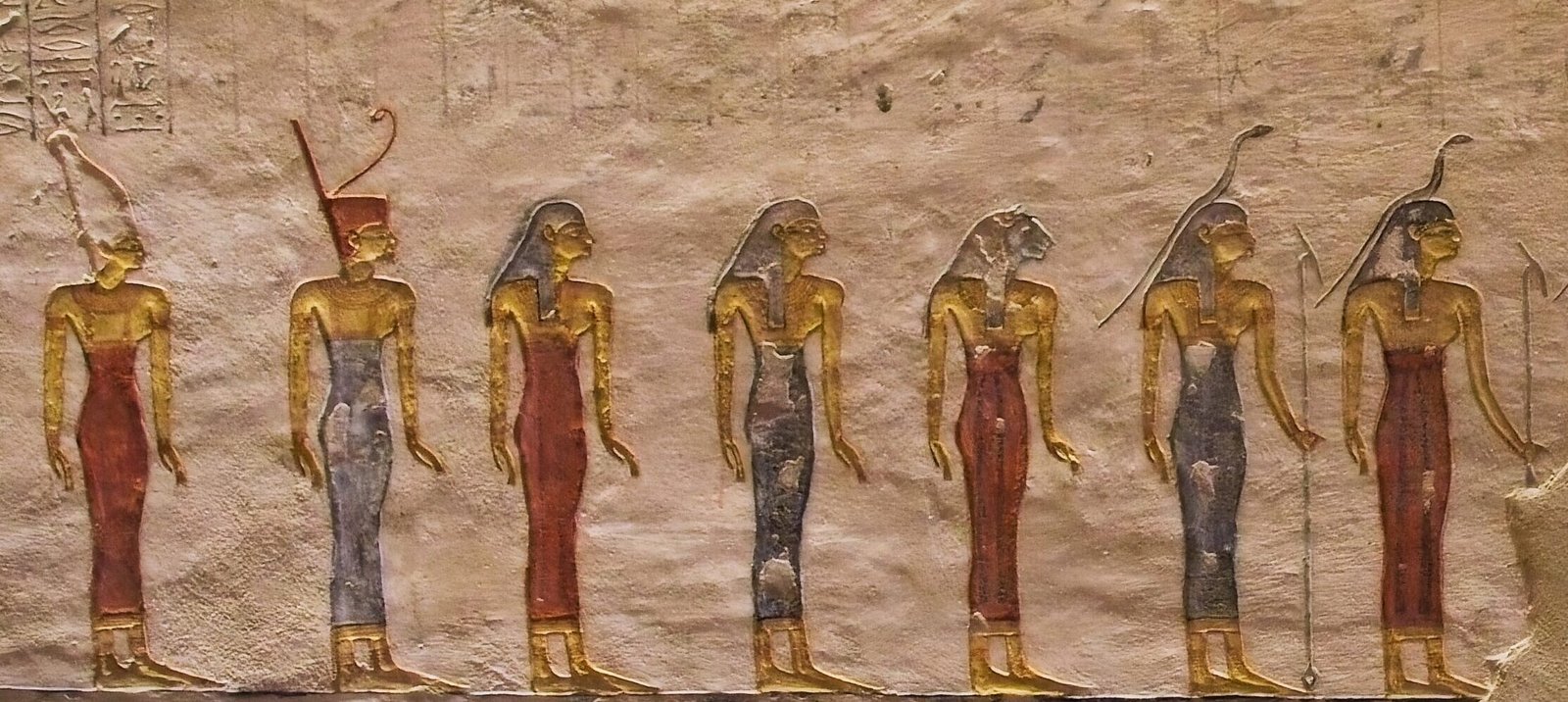
Tucked into the cliffs on the west bank of the Nile, the Valley of the Kings lies at the heart of the Theban Necropolis, the vast burial ground of ancient Thebes. It was the main resting place of Egypt’s pharaohs during the New Kingdom more than 3,000 years ago. Archaeologists have uncovered more than sixty tombs here, including Tutankhamun’s famously intact resting place.
Inside the Tombs of New Kingdom
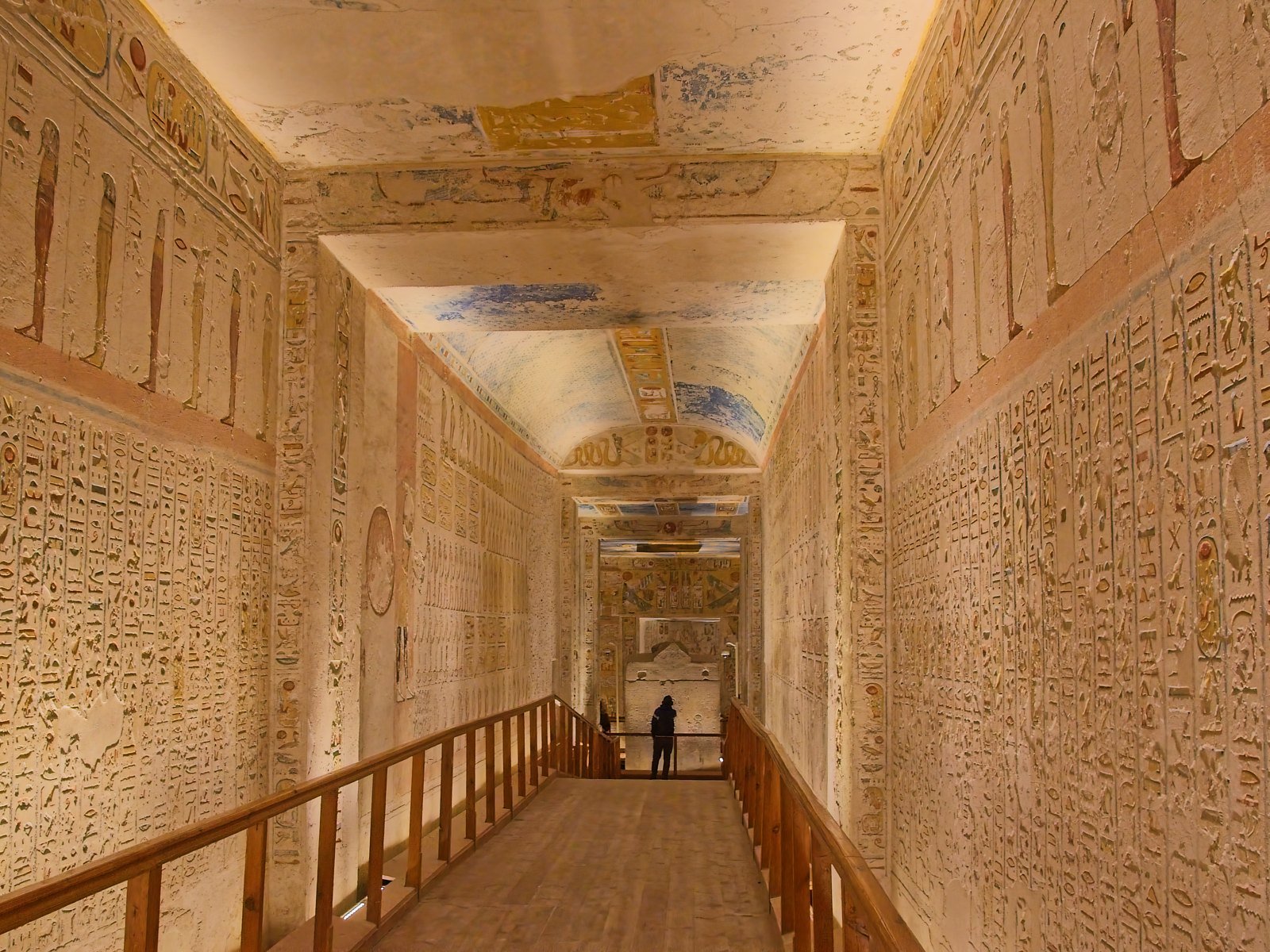
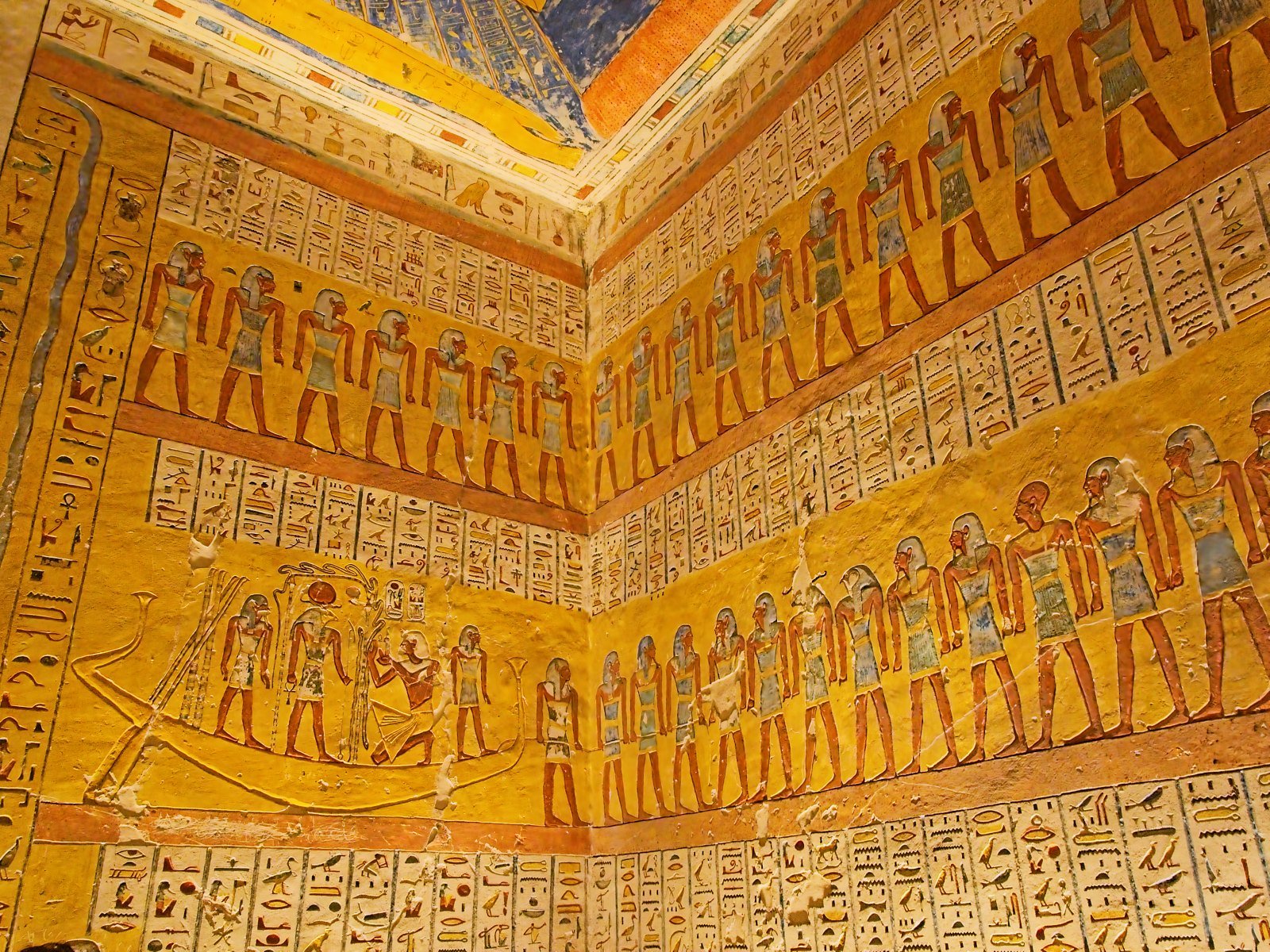
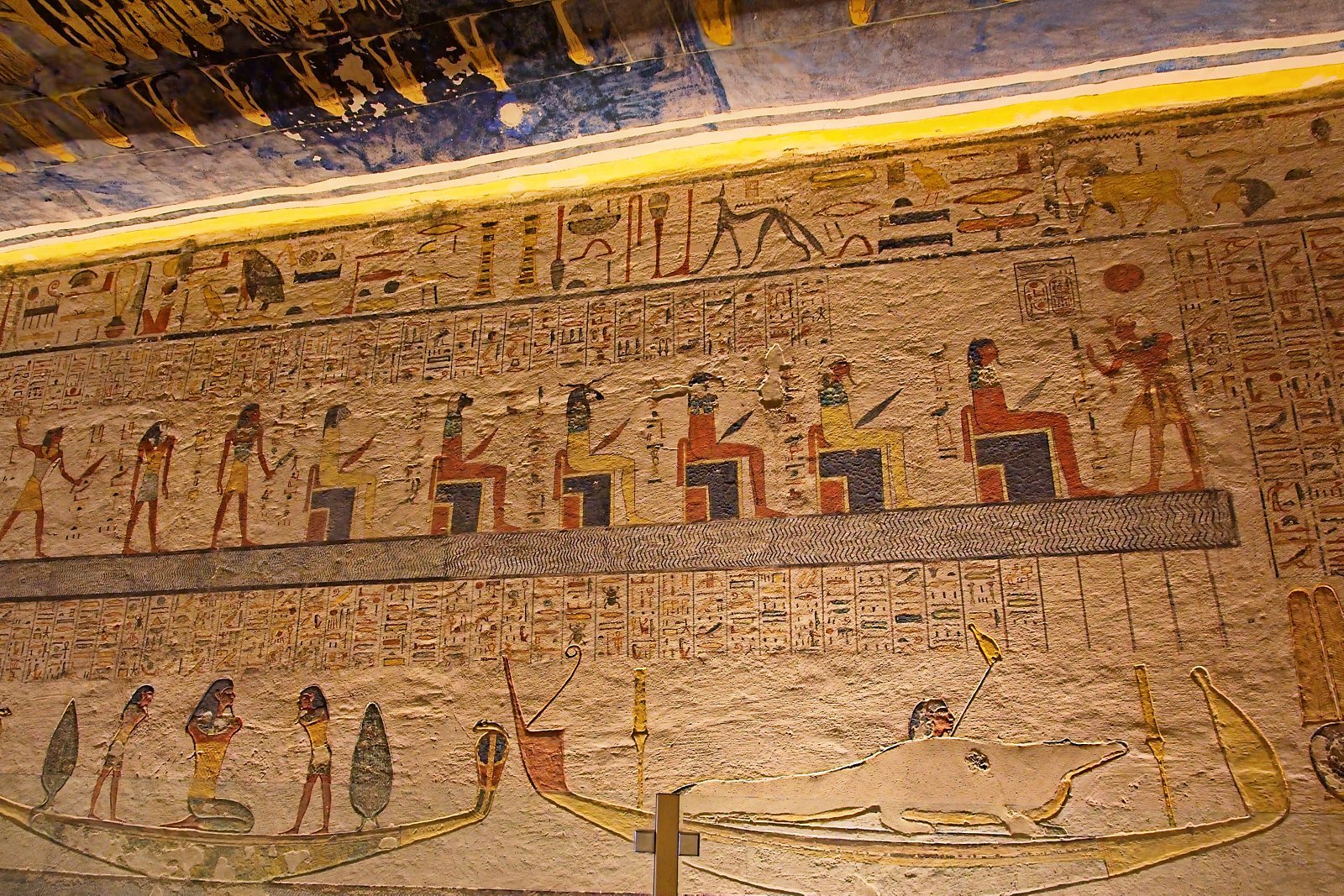
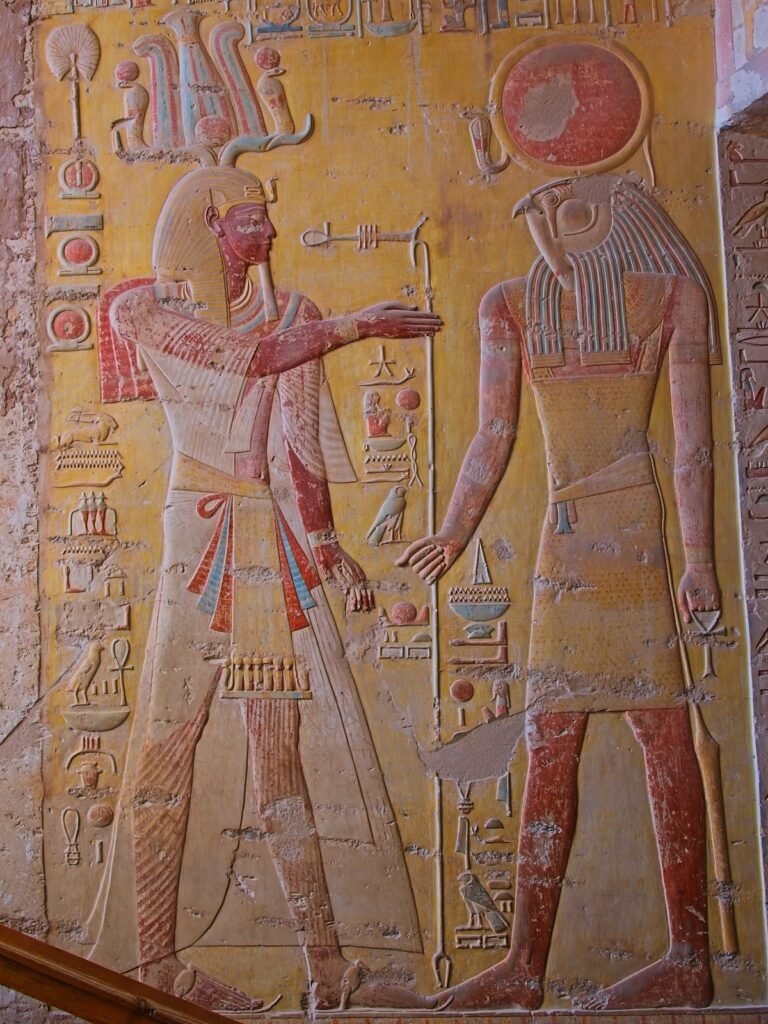
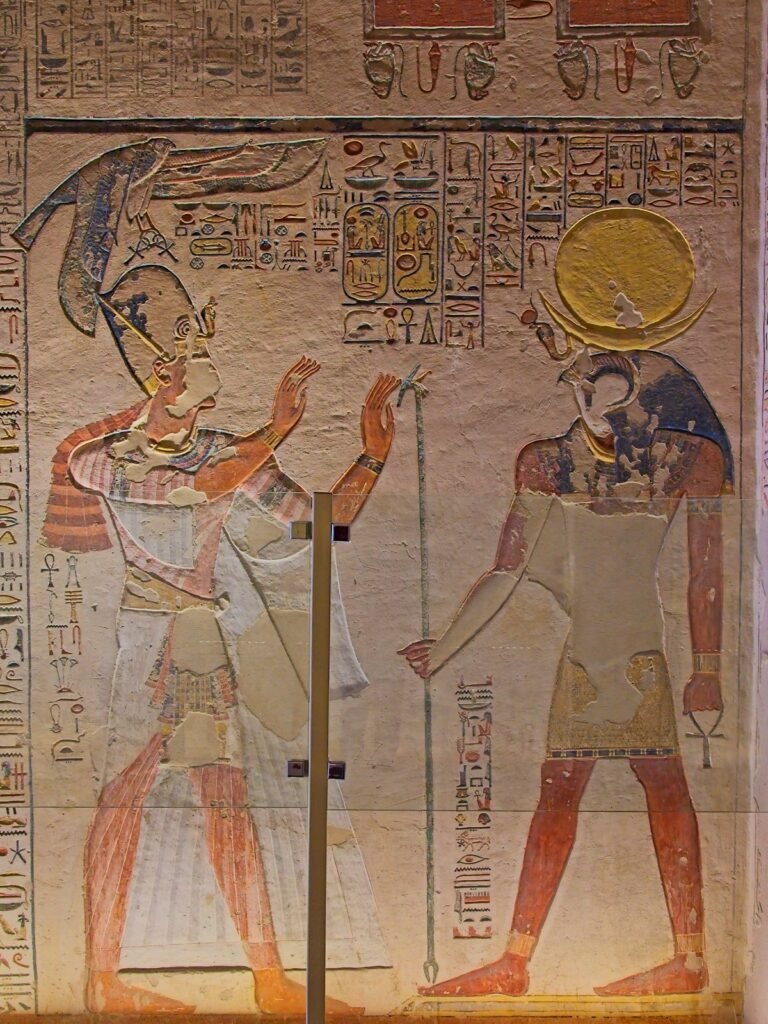
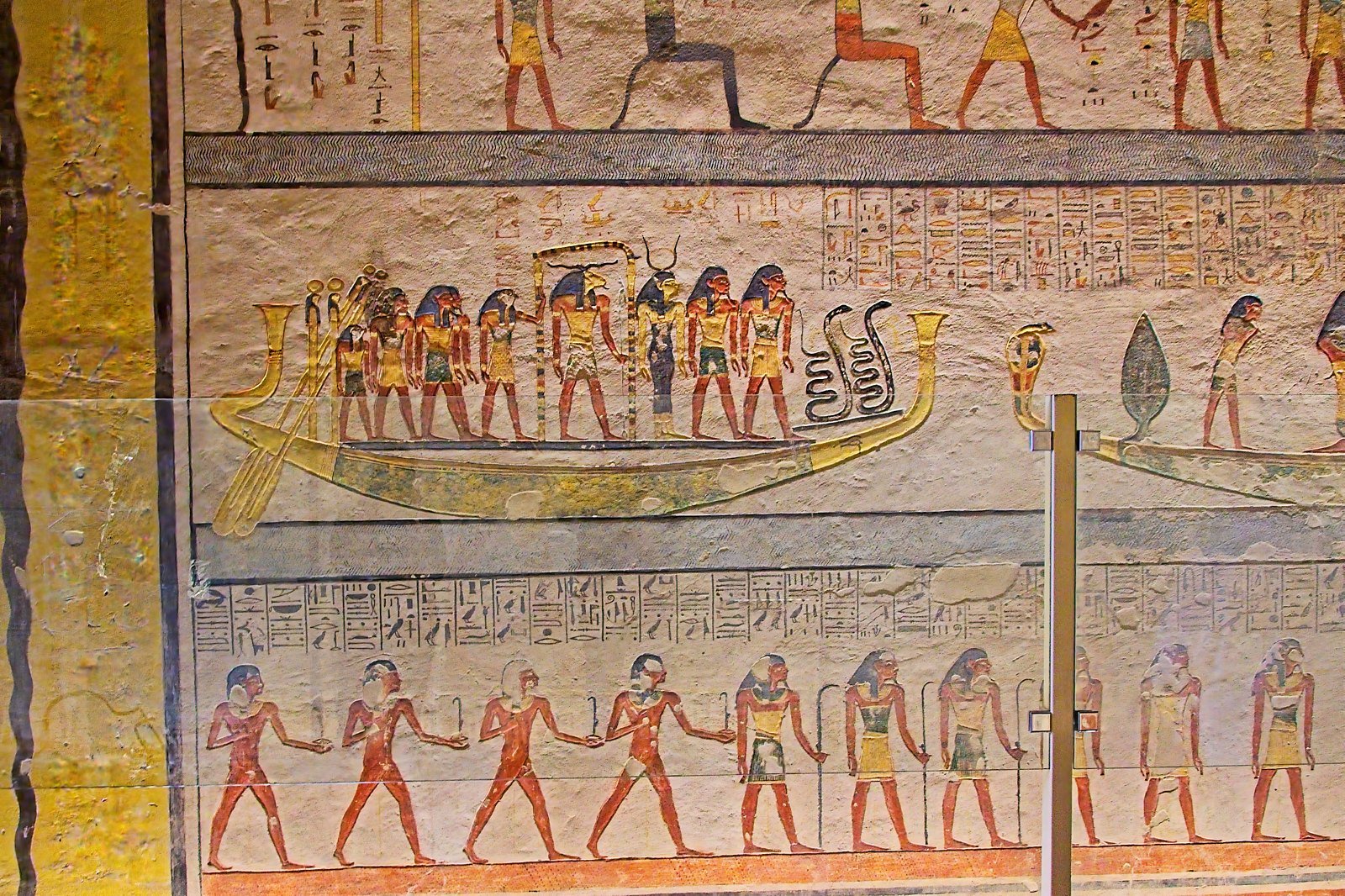
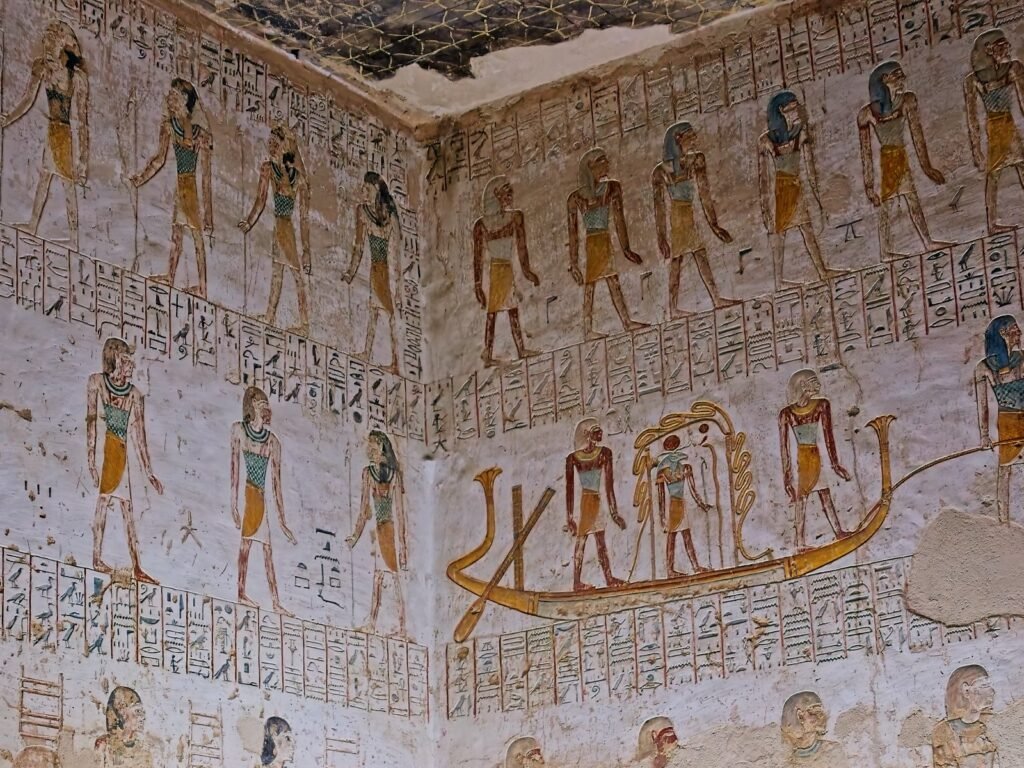
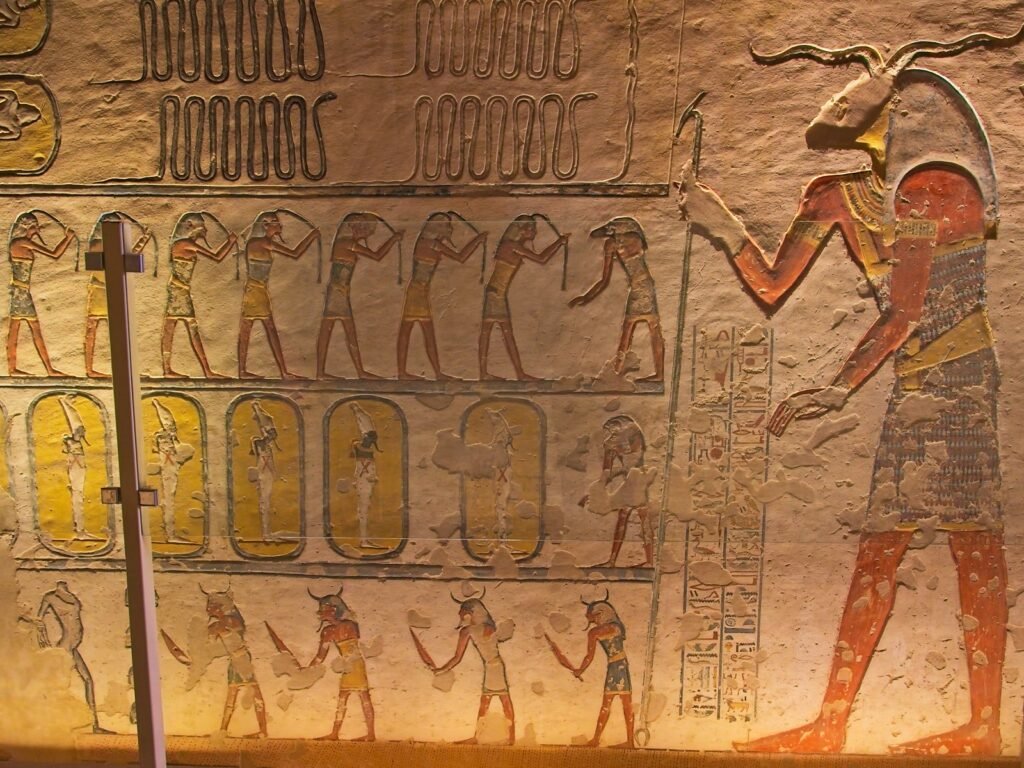
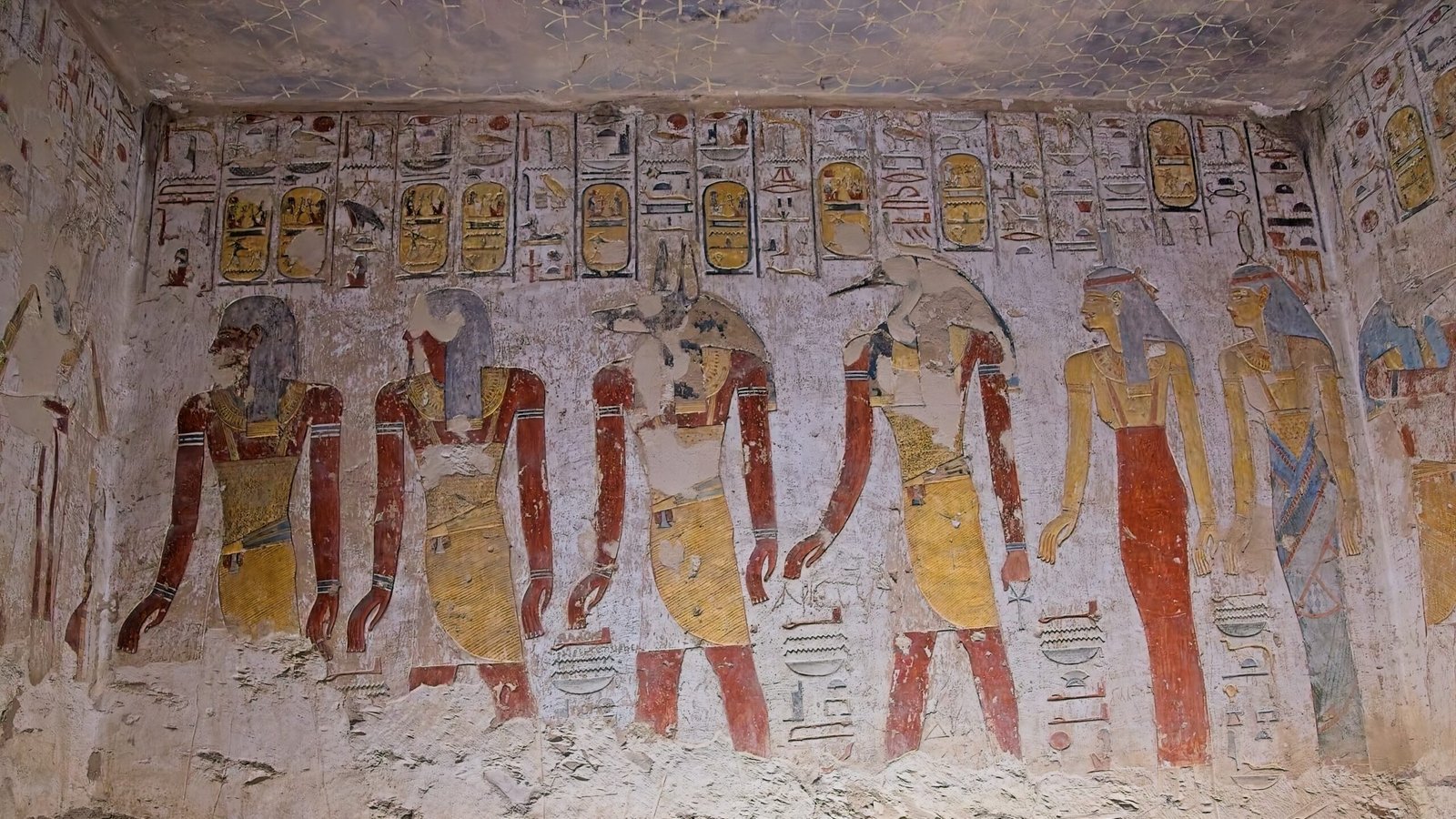
Each one of the tombs offer a vivid look at ancient Egyptian beliefs about the afterlife. The vivid wall paintings and beautifully preserved hieroglyphics inside the tombs were among the most breathtaking sights, their vibrant colors and intricate details appearing almost untouched by the passage of time. Over the centuries, many of the tombs were robbed and vandalized, yet their art still speaks clearly across the millennia. Today, the Valley of the Kings forms part of the UNESCO‑listed “Ancient Thebes with its Necropolis,” and remains one of the most memorable places to visit in Egypt.
If you go:
- A standard ticket to the Valley of the Kings includes access to three tombs; which ones are open can change, depending on conservation and maintenance schedules.
- Premium tickets are required to enter certain high‑profile tombs, such as Seti I (KV17) and Tutankhamun (KV62).
- Photography inside the tombs may require a separate ticket, and rules can change, so check current regulations at the visitor center before you go.
Walking back out into the sunlight from the tombs of the Valley of the Kings, it’s impossible not to notice how much care was poured into these resting places. Every corridor, chamber, and painted figure was created to guide a single person—a pharaoh—safely into the afterlife. Despite the distance in time, their desire to be remembered and to go on beyond death is not so different from ours.
If this post helped you plan your trip, we’d love to hear from you in the comments or on Instagram.
Leave a Reply